2022-Oct-17
Vol 32 No. 3 Fall 2022
https://gba.flywheelstaging.com/flipbook/GBA-Fall-2022/
Sponsored by:
https://gba.flywheelstaging.com/flipbook/GBA-Fall-2022/
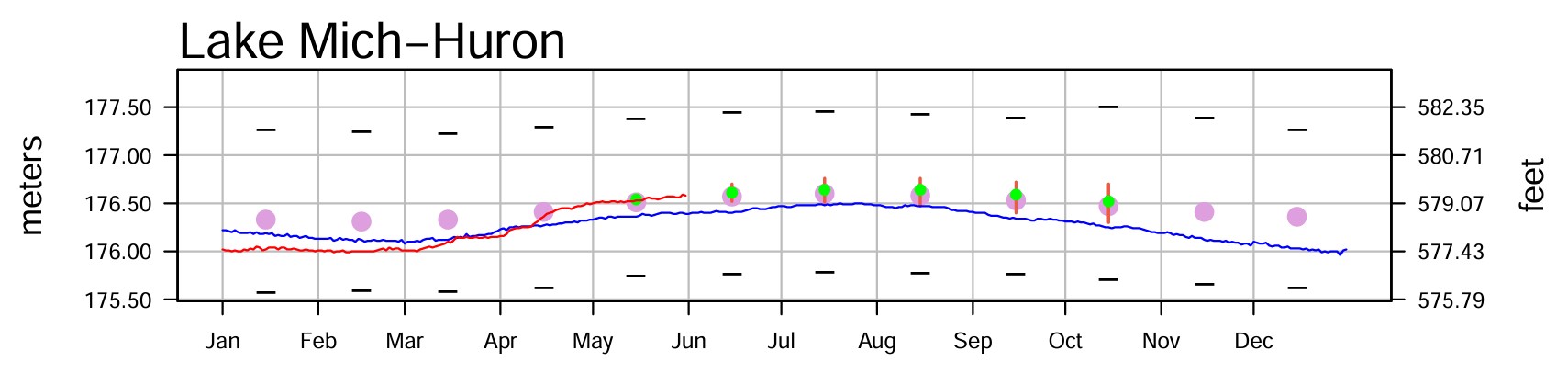
Lake Michigan-Huron is now 7 inches higher than it was at this time last year. From a month ago, the water levels on Lakes Superior, Michigan-Huron, St. Clair, Erie & Ontario are up 4, 4, 4, 4 & 4 inches, respectively. Lake Superior, Michigan-Huron, St. Clair & Ontario levels are up 6, 7, 2 & 13 inches, respectively, from last year. Lake Erie levels are lower by 1 inch than this time last year. Lake Superior, Michigan-Huron, St. Clair, Erie & Ontario are 3, 3, 6, 5 & 13 inches above their long-term May averages. All the lakes remain well below their May record highs. In a month, Lakes Superior, Michigan-Huron, St. Clair & Erie levels are expected to rise by 3, 2, 1, & 0 inches, respectively. Lake Ontario levels are expected to fall by 2 inch
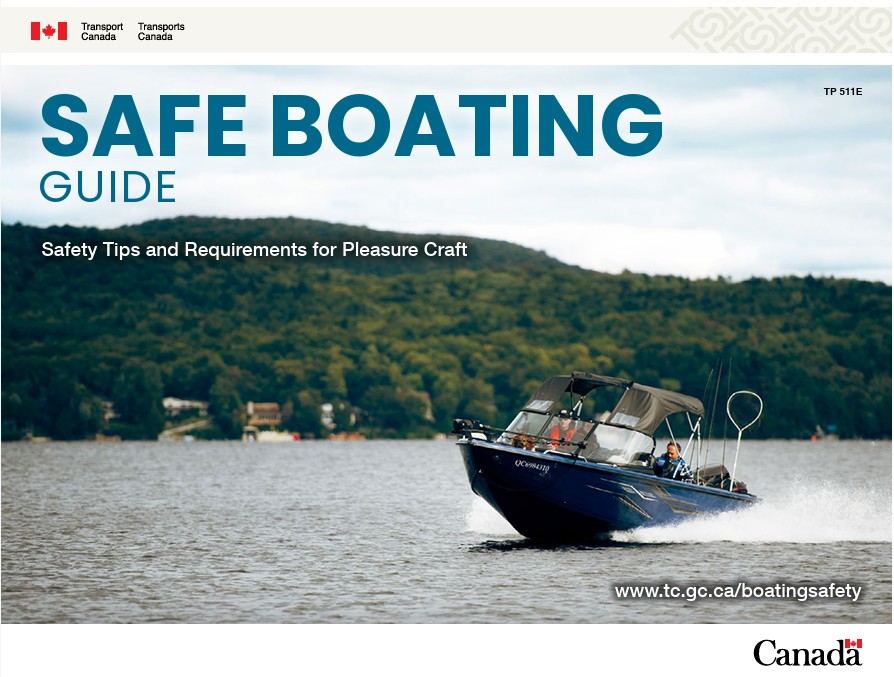
Transport Canada has officially released the 2026 Safe Boating Guide, updating previous editions to align with new structural amendments to Canadian marine law. - Consider this 75-page manual the definitive A-to-Z reference guide for recreational boaters. It translates dense maritime law—like the Small Vessel Regulations and international Collision Regulations—into clear, actionable safety rules, offering everything from hard legal requirements to basic practical tips for staying alive on the water. - Whether you are an experienced boater with years on the water, or a novice just starting out, this comprehensive guide offers valuable insights, best practices, and crucial regulatory updates for everyone. - The guide is divided into four main areas: - 1. The Legal & Manda
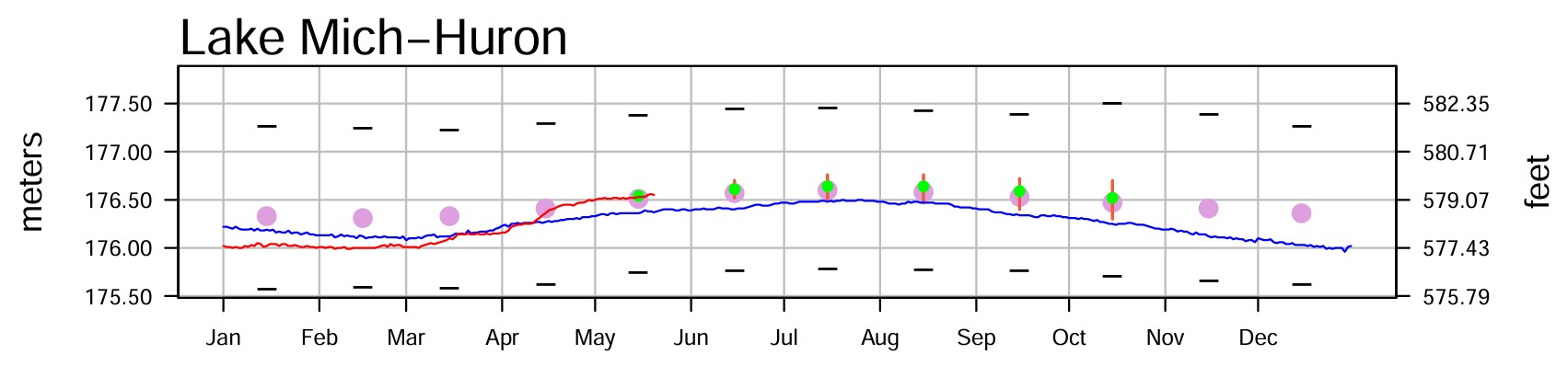
Lake Michigan-Huron is now 7 inches higher than it was at this time last year. From a month ago, the water levels on Lakes Superior, Michigan-Huron, St. Clair, Erie & Ontario are up 7, 4, 4, 4 & 6 inches, respectively. Lake Superior, Michigan-Huron, St. Clair & Ontario levels are up 5, 7, 2 & 13 inches, respectively, from last year. Lake Erie levels are lower by 2 inches than they were at this time last year. Lake Superior, Michigan-Huron, St. Clair, Erie & Ontario are 2, 2, 6, 3 & 13 inches above their long-term May averages. All the lakes remain well below their May record highs.In a month, Lakes Superior, Michigan-Huron, St. Clair, Erie & Ontario levels are expected to rise by 3, 3, 0, 1 & 0 inches, respectively. Lake Superior’s outflow through
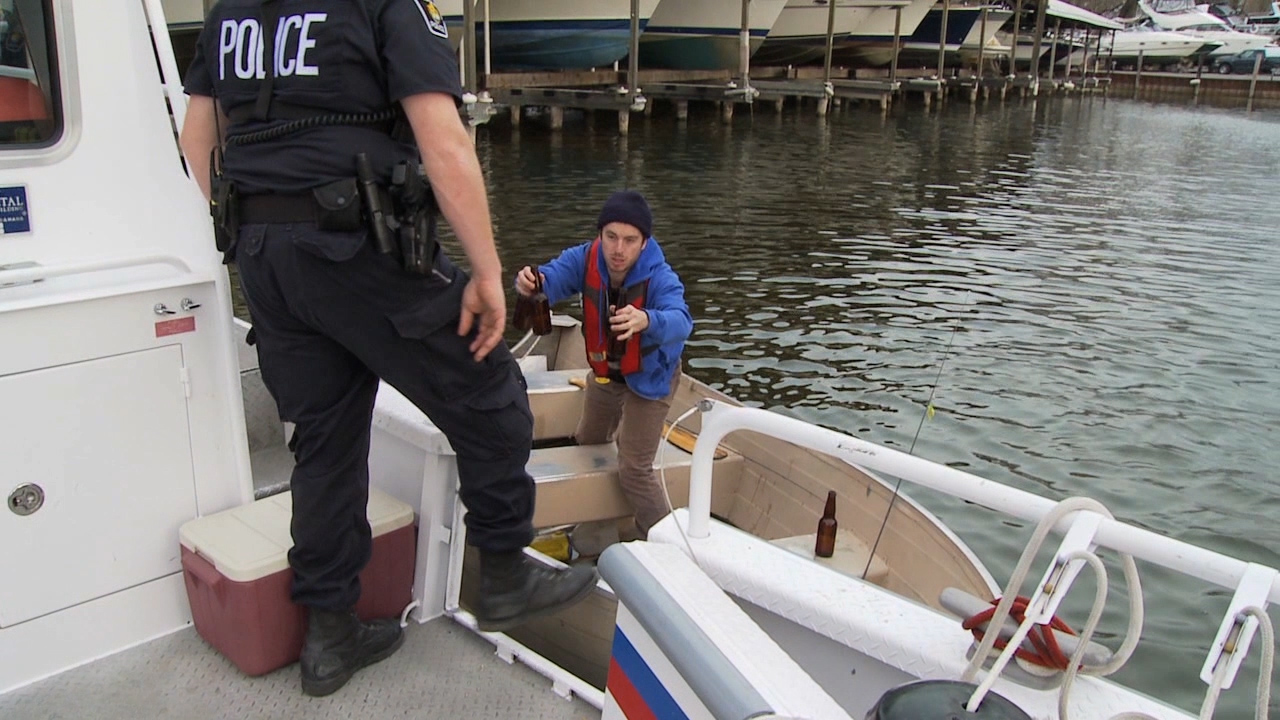
When the weather warms up, there is nothing quite like a day on the water. But if your plans include alcohol or cannabis, it’s critical to understand that Ontario treats drinking and boating exactly the same as drinking and driving. Under the Criminal Code of Canada, a boat is considered a "conveyance," meaning the exact same legal limits, criminal charges, and strict penalties apply whether you are behind the wheel of an SUV or at the helm of a pontoon boat, jet ski, or even a canoe. If you are caught operating a vessel while impaired by alcohol, cannabis, or prescription drugs, here is a breakdown of what you actually face. By the Numbers: OPP Enforcement on the Water Think you won't get caught? The Ontario Provincial Police (OPP) actively patrols our waterways. Data
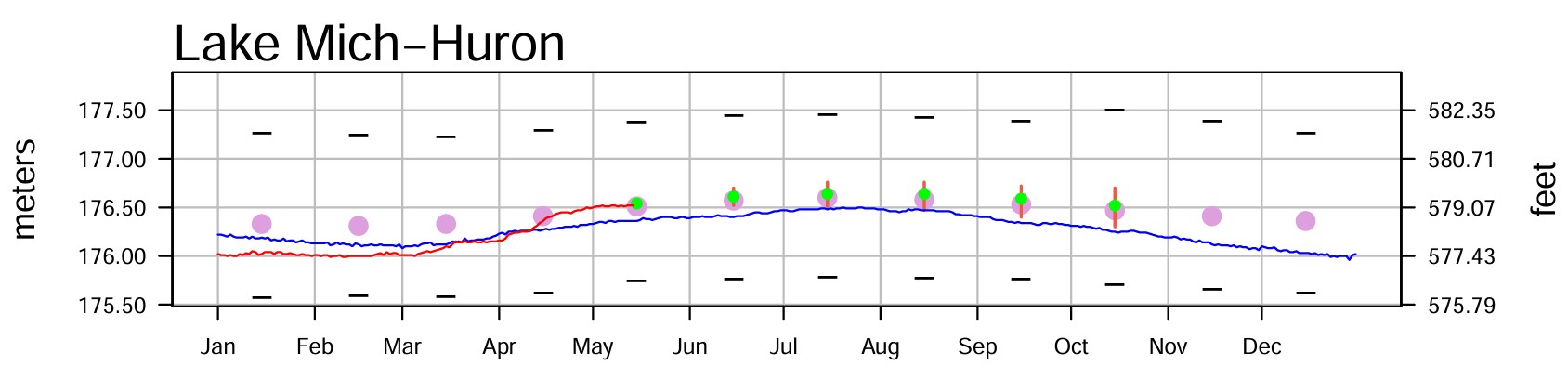
Lake Michigan-Huron is now 6 inches higher than it was at this time last year. From a month ago, the water levels on Lakes Superior, Michigan-Huron, St. Clair, Erie & Ontario are up 7, 6, 5, 7 & 11 inches, respectively. Lake Superior, Michigan-Huron & Ontario levels are up 4, 6, & 15 inches, respectively, from last year. Lake Erie levels are lower by 4 inches than they were at this time last year and Lake St. Clair levels remain the same as they were last year. Lake Superior, Michigan-Huron, St. Clair, Erie & Ontario are o, 0, 3, 2 & 13 inches above their long-term May averages. All the lakes remain well below their May record highs. In a month, Lakes Superior, Michigan-Huron, St. Clair, Erie & Ontario levels are expected to rise by 3, 2, 2, 2 & 0 in
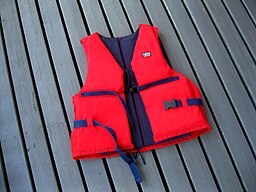
GBA recently attended the Regional Boating Advisory Council (RBAC) meeting on May 12, 2026. This session provided news and updates on upcoming safety mandates, licensing changes, and structural shifts within Transport Canada. Here's what we're watching for in 2026: 1. Phasing in a 5-year renewal cycle for Pleasure Craft Licenses Every new or transferred license is now valid for 5 years and is subject to a $24 renewal fee. To stay compliant this season: Check Your Expiry: Renewals are being phased in. If your boat was licensed between 1975–1985, you must renew by December 31, 2026. Check your renewal date here. Report Any Changes: You now have only 30 days to report a change of name, address, or boat details. Read more about these changes here. 2. Mandatory P
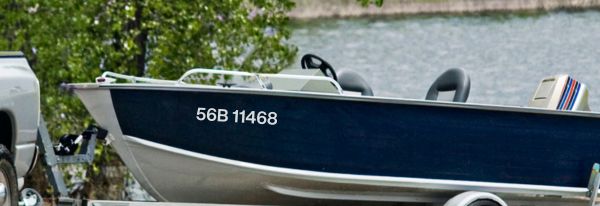
As of January 2026, the way boats are licensed in Canada has changed. While a new $24 fee and 5-year renewal cycle are now in effect, these changes are part of a critical effort to modernize a database that has been inaccurate for decades. - The old "lifetime" system led to a database filled with outdated vessel and contact information. Moving to a professional, renewable system provides three major benefits: - Allows for Faster Search and Rescue: If your boat is found adrift or in distress, an accurate database allows responders to reach you or your family immediately. Accountability for "Ghost" Vessels: Abandoned boats are an environmental and financial burden on Bay communities. Regular renewals ensure owners remain responsible for their vessels. Better Waterway Planning
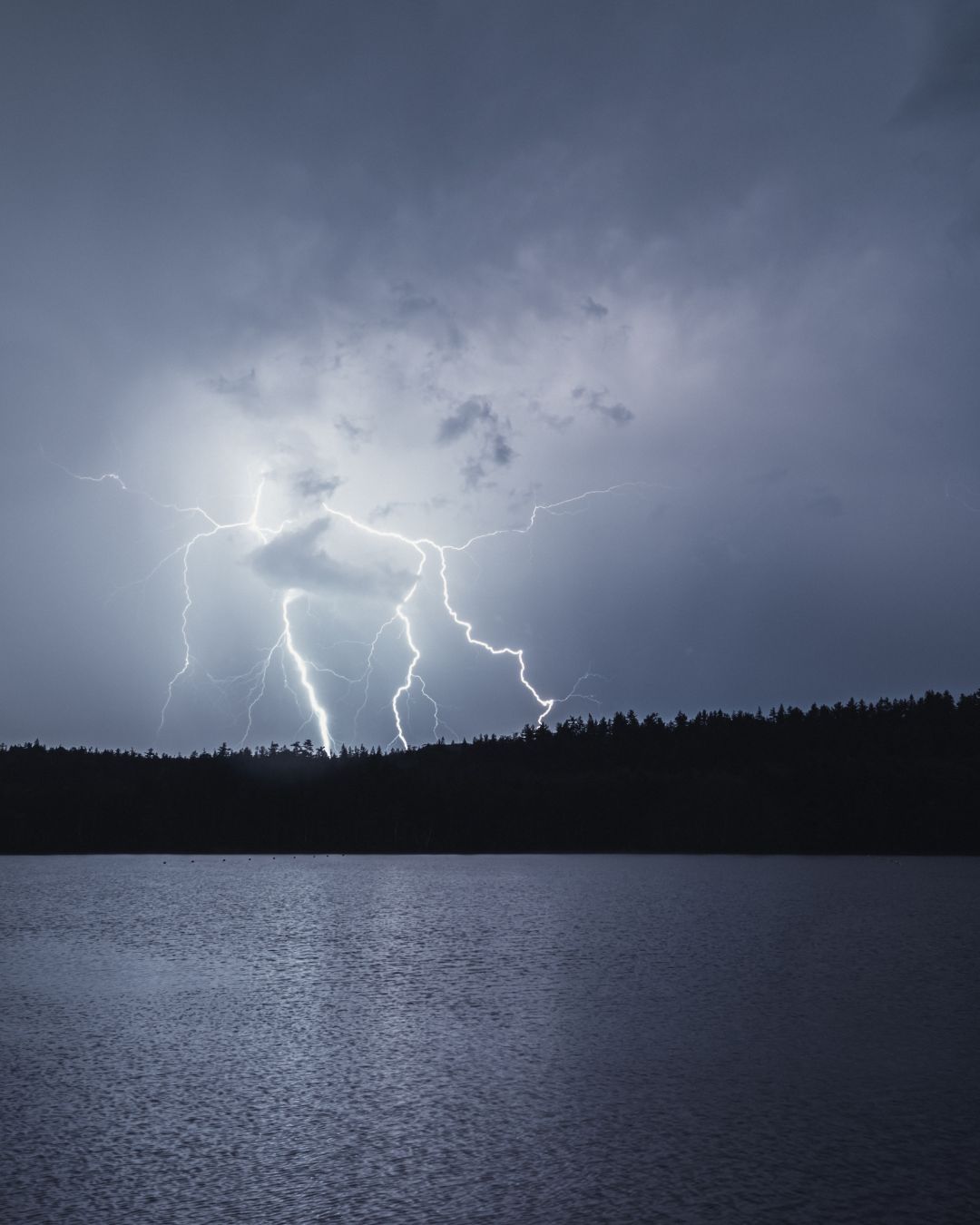
On Georgian Bay, lightning is more than just a dramatic backdrop; it is a direct threat to life and property. Statistics show that leisure activities—including boating—accounted for nearly two-thirds of all lightning deaths between 2006 and 2021. Because your boat is often the tallest object on the open water, it can act as a primary path for electrical energy seeking ground. Why the Eastern Shore? - Environment Canada identifies the eastern shore of the Bay as a natural lightning hotspot. During the summer, the sun heats the rock much faster than the deep, cold water. As hot air rises off the rock, it pulls in moist air from the Bay, creating high-intensity air mass thunderstorms that can form rapidly in the late afternoon. - The Freshwater Factor - In fresh water, lightning da
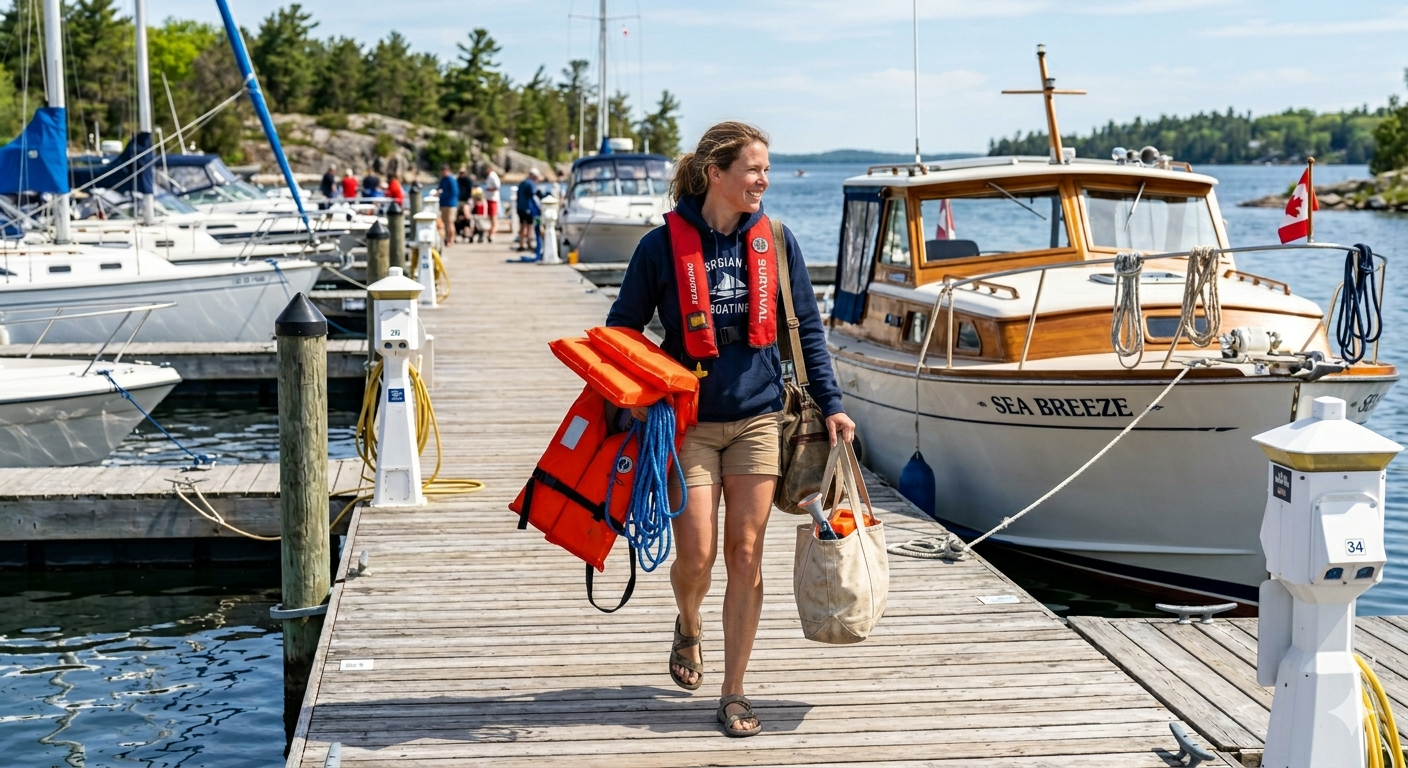
Spring is finally here, and for many Georgian Bay boaters, that means it’s time to pull off the shrink-wrap and prep for the launch. Use this comprehensive checklist to ensure your vessel, your gear, and your paperwork are all water-ready and compliant before you hit the Bay. - What You Need: 1. Mandatory Paperwork & Regulation Updates Pleasure Craft Operator Card (PCOC): Ensure you have your physical card on board. Radio Licensing: If you operate a VHF radio, verify you have your Restricted Operator Certificate (ROC-M). Insurance Review: Review your policy for Georgian Bay-specific coverage (e.g., environmental spill liability and replacement value). *Remember Transport Canada has moved to a mandatory 5-year renewal cycle for Pleasure Craft Licenses. To
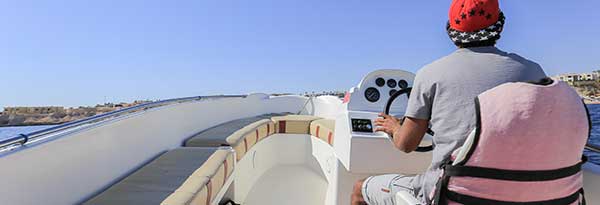
May 16–22, 2026, marks the return of Safe Boating Awareness Week, a global initiative dedicated to ensuring that a day on the water ends as happily as it begins. - With over 16 million Canadians heading to our lakes, rivers, and coasts each year, our waterways are busier than ever. Whether you’re a seasoned captain or a first-time paddler, understanding your responsibilities is the foundation of a great season. - How big is boating in Canada? 44% of Canadians enjoy recreational boating at least occassionally (that's over 16 million Canadians!) - 3 million of us are at the helm of powerboats. - 19% or 6 million join the fun as passengers. - The 5 Pillars of Responsible Boating The Canadian Safe Boating Council (CSBC) highlights five key messages
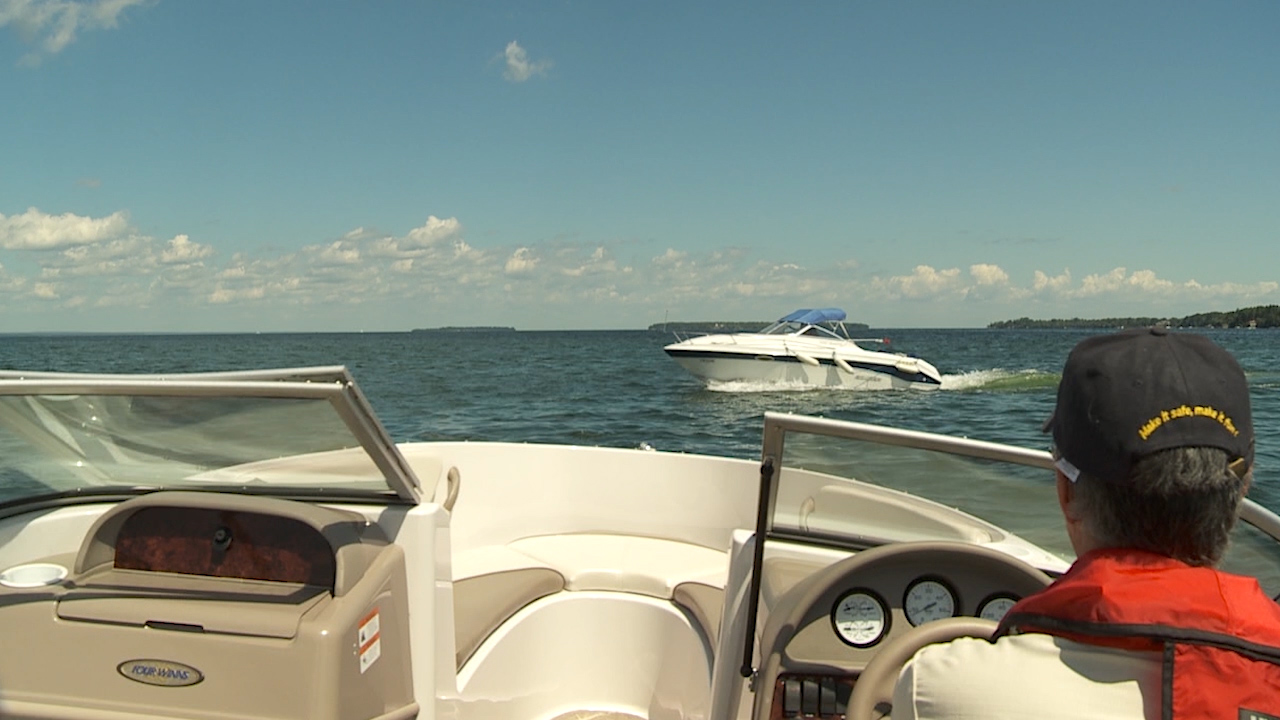
On the open water of Georgian Bay, there are no painted lanes or stop signs. Instead, we rely on a shared language of predictability to keep everyone safe. In the Canadian shipping regulations, every encounter is defined by two roles: the Give-Way vessel, which must take early and bold action to stay clear, and the Stand-On vessel, which is required to maintain its course and speed so its path remains predictable. Understanding your role depends on how you meet: Crossing: If a boat approaches from your starboard (right) side, you are the Give-Way vessel. You must alter course early and obviously. Make your move bold enough for the other skipper to see it clearly. Head-On: When two power-driven vessels meet head-on, both must alter course to starboard (right), passing e
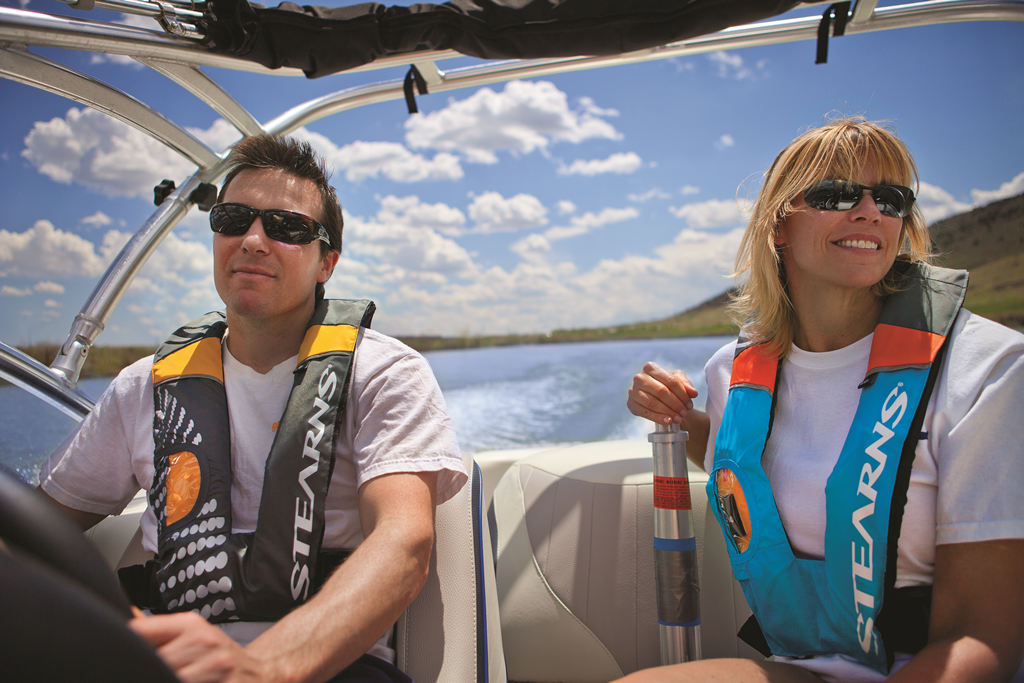
Georgian Bay is a unique beast. As a UNESCO Biosphere home to the 30,000 Islands, its crystal-clear, oligotrophic waters are as ecologically fragile as they are beautiful. While boating is a primary way to connect us with this wilderness, it also carries inherent risks—like pollution and habitat destruction. Here are some practical steps you can take this season to practice "green boating" and minimize your impact: 1. Prevent the Spread of Invasive Species Boats are the primary shuttle for aquatic invasive species like zebra mussels or Eurasian Watermilfoil, which can devastate local ecosystems. Clean, Drain, Dry: Always inspect the hull, trailer, and motor for plants or animals before leaving a boat launch. Drain all livewells, bilges, and ballast tanks. The Dry Time: Ideal